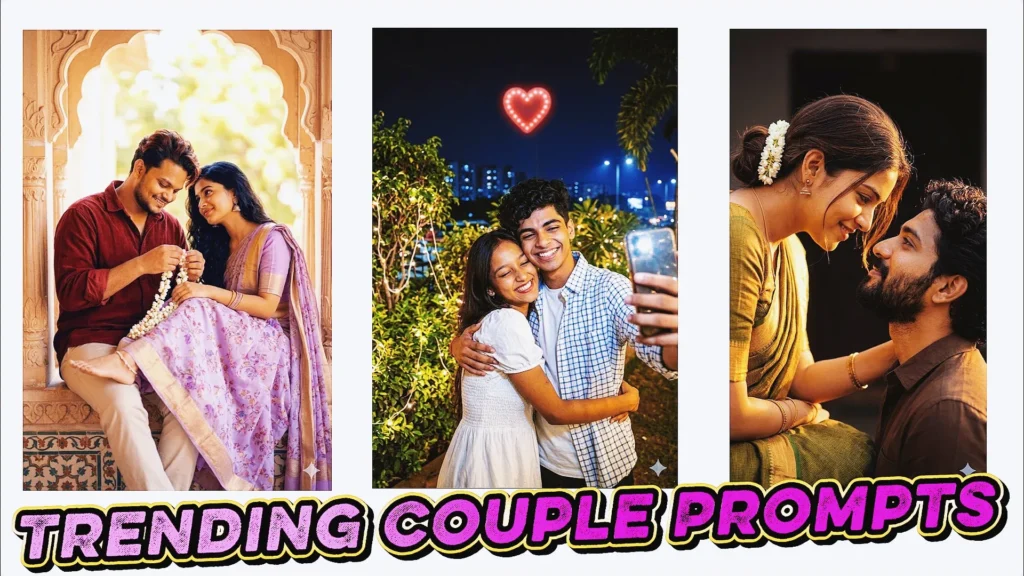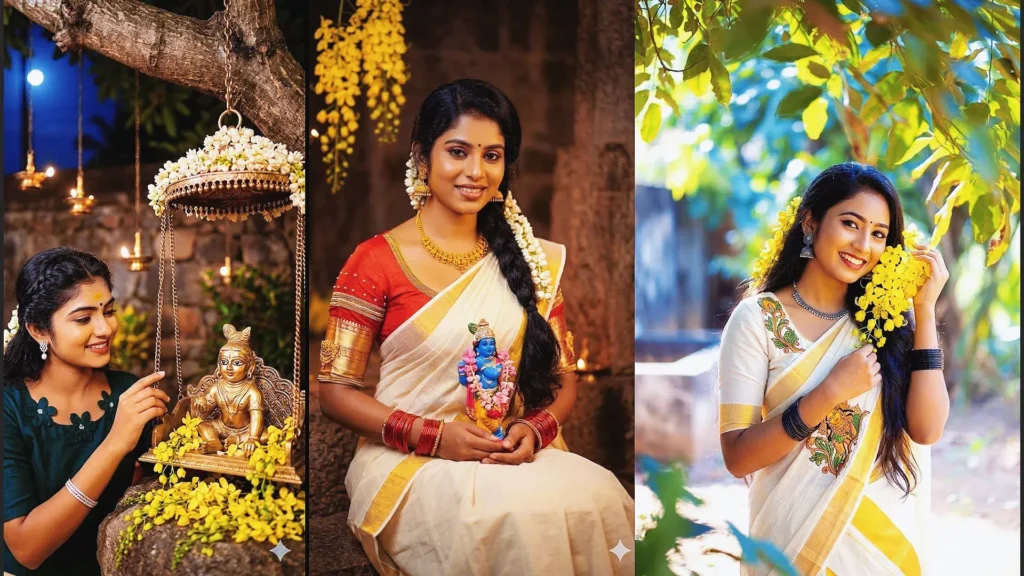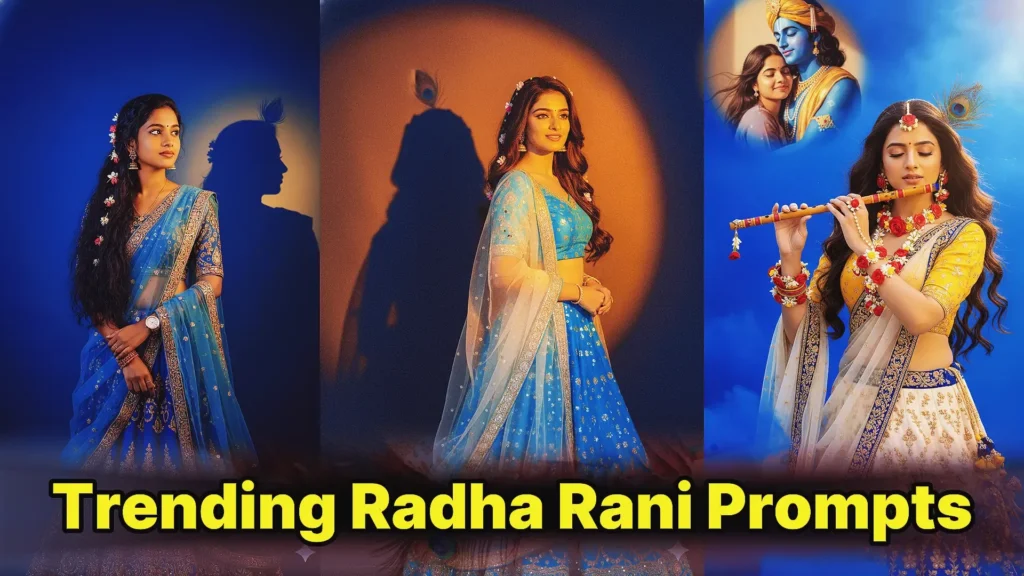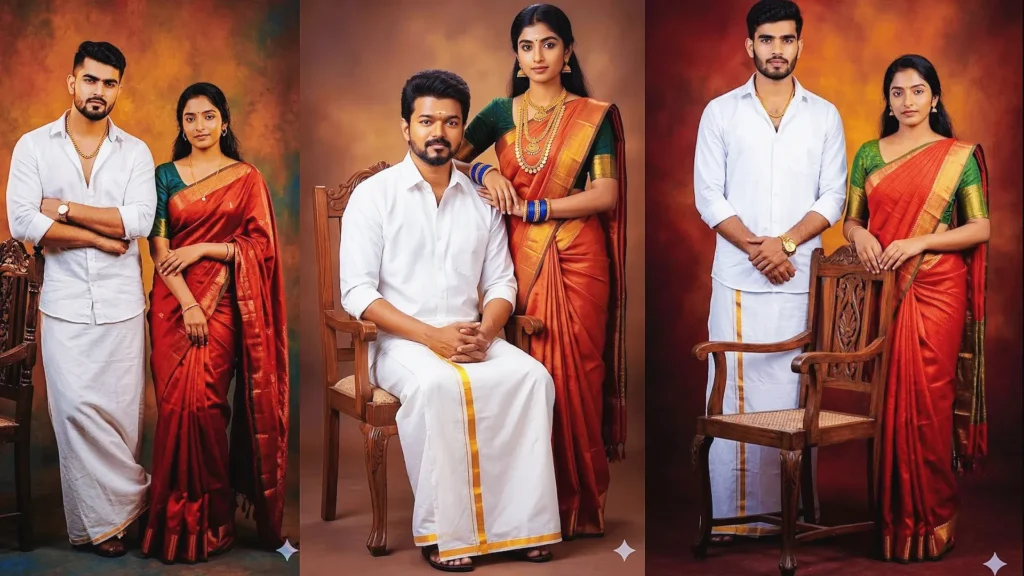
AI photo editing has made it much easier to experiment with different outfits without taking a new photograph every time. With tools such as Gemini, you can use an existing image as a reference and describe the clothing style, color, material, and overall appearance you want.
Whether you’re creating a fashion concept, testing a new outfit, preparing social media content, or exploring virtual try-on ideas, a well-written Gemini AI outfit editing prompt can help you achieve a more realistic result.
The key is to tell the AI exactly what should change and what should remain unchanged. Your face, hairstyle, pose, body proportions, lighting, and background can be preserved while the clothing is transformed.
In this guide, you’ll find practical Gemini outfit editing prompts for casual wear, formal clothing, traditional fashion, streetwear, fitness outfits, wedding looks, and more.
What Is a Gemini AI Outfit Editing Prompt?
A Gemini outfit editing prompt is an instruction that tells an AI image editor how to modify the clothing in an existing photograph.
Instead of completely recreating the image, you can ask the AI to change specific visual elements while maintaining the original photograph.
For example, you can request:
- A different shirt
- A formal suit
- A traditional Indian outfit
- A saree
- Casual clothing
- Streetwear
- Sportswear
- Wedding clothing
- Seasonal outfits
- Different colors or fabrics
A strong prompt also tells the AI what not to change.
For example:
Keep the person’s face, hairstyle, pose, body proportions, lighting, and background unchanged. Modify only the outfit.
This type of instruction helps keep the result closer to the original photograph.
Cloth Remove Prompt Gemini AI: Best Prompts for Realistic Dress Editing
Explore cloth remove prompt AI techniques for Gemini. Learn dress remove prompt styles, outfit editing tips, and how to create photorealistic AI images easily.
1. Realistic Outfit Swap Prompt
This cloth remove prompt gemini style focuses on replacing clothing from one image to another while preserving identity. It ensures the face, pose, and background remain unchanged, making it ideal for users looking for a realistic dress removing photo editor experience powered by cloth of AI technology.
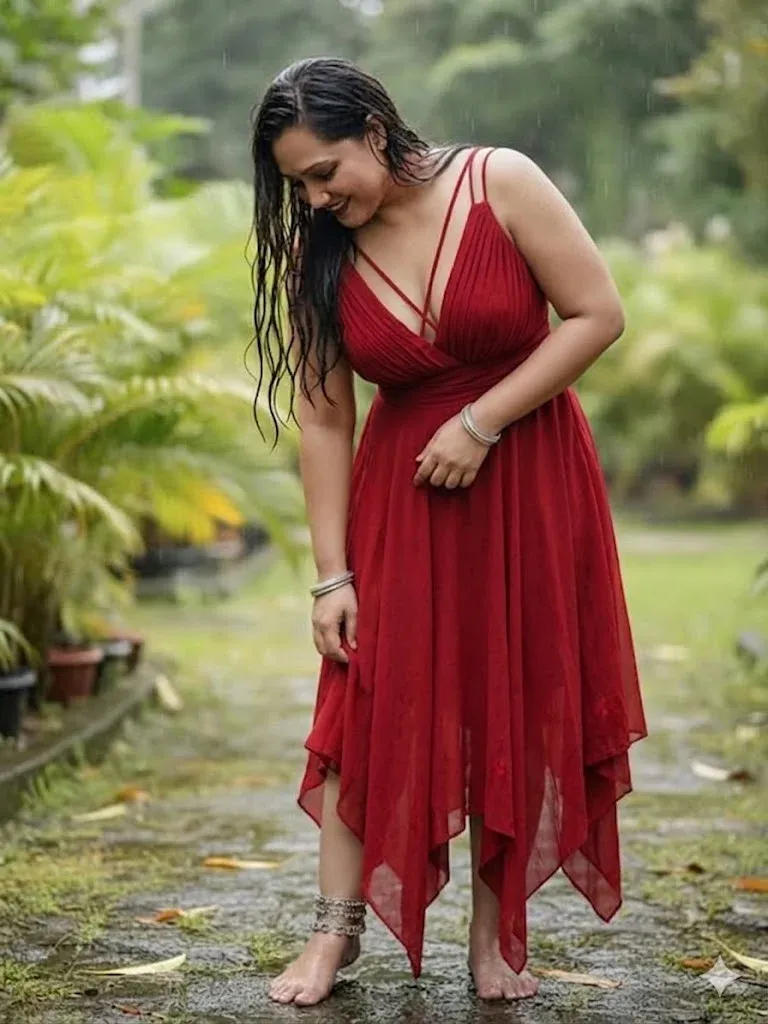
2. Photorealistic Dress Transfer Prompt
Designed for high accuracy, this dress remove prompt in gemini helps users apply a full outfit from a reference image while maintaining original facial features and lighting. It works well with advanced cloth remove prompt AI tools that prioritize photorealism and consistency.

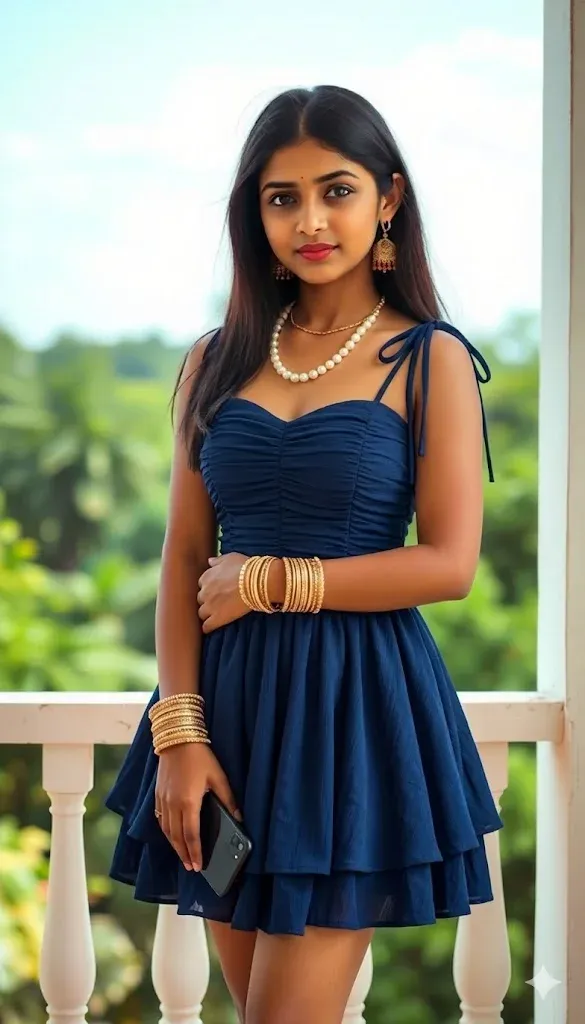
3. Exact Outfit Matching Prompt
This structured remove clothes prompt for gemini example ensures the outfit is replicated exactly while preserving all original elements. It is perfect for creators using dress remove prompt generator tools who want precise, natural-looking transformations without distortions.
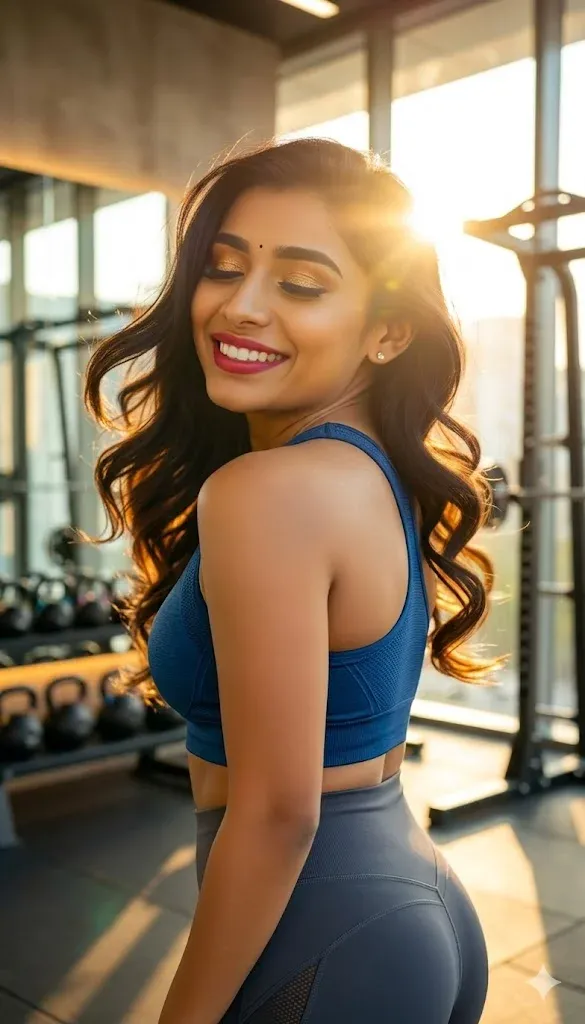
4. Fitness Outfit Transformation Prompt
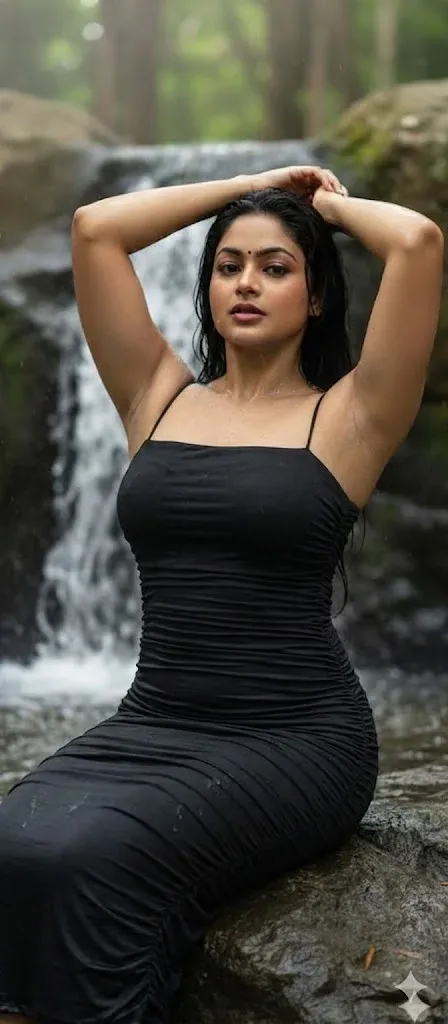
A modern cloth of AI styling prompt that transforms clothing into athletic wear like crop tops and leggings. This is commonly used in dress removing photo editor tools for fitness or lifestyle edits while keeping the subject’s pose and features intact.
5. Casual Home Wear Edit Prompt
This dress remove prompt free style focuses on converting outfits into relaxed home wear. It’s ideal for users exploring cloth remove prompt AI tools for casual styling edits with natural lighting and realistic textures.

6. Image Blend Outfit Prompt
A powerful gemini clothes remover prompt technique that blends two images seamlessly. It keeps the subject unchanged while transferring clothing perfectly, often used in advanced dress remove AI video generator free workflows and AI editing pipelines.
How to Use Gemini Outfit Editing Prompts
Using these prompts is straightforward.
Step 1: Choose a Clear Photograph
Use an image where the person’s clothing and face are clearly visible.
Step 2: Upload Your Image
Open Gemini and upload the photograph you want to edit.
Step 3: Select a Prompt
Copy one of the prompts above and customize the outfit description.
Step 4: Describe What Must Stay the Same
This is one of the most important parts of the prompt.
Tell Gemini to preserve:
- Face
- Hair
- Expression
- Pose
- Body proportions
- Background
- Lighting
Step 5: Generate and Review
Check the generated image for clothing, hands, accessories, facial consistency, and proportions.
If something is wrong, use a focused follow-up instruction instead of changing everything.
For example:
Keep the same image and composition. Correct only the jacket fit and fabric folds. Preserve the face, pose, background, and lighting.
How to Get More Realistic Outfit Edits
1. Use a High-Quality Reference Image
A sharp photograph gives the AI more visual information.
Avoid extremely blurry, dark, or heavily compressed images.
2. Describe the Fabric
Instead of simply saying “blue shirt,” specify:
- Cotton
- Linen
- Denim
- Wool
- Silk
- Velvet
- Formal suiting fabric
Fabric descriptions can make clothing transformations more convincing.
3. Match the Lighting
If the original image has warm sunset lighting, tell Gemini to make the new clothing respond to the same light.
For example:
Match the clothing highlights and shadows to the existing warm sunset lighting.
4. Preserve the Original Pose
If you want the photograph to remain recognizable, explicitly state that the pose should not change.
5. Avoid Conflicting Instructions
A prompt containing too many unrelated requirements can produce inconsistent results.
Keep the instruction focused on the actual edit.
Outfit Editing Prompt Formula
You can create your own Gemini prompts using this simple structure:
Reference Image + Clothing Change + Identity Preservation + Lighting + Fabric + Background + Realism
For example:
Use my uploaded image as the reference. Change my outfit to a beige linen shirt with dark trousers. Preserve my face, hairstyle, expression, pose, body proportions, and background. Match the clothing to the existing natural lighting. Add realistic linen texture, folds, stitching, and shadows. Keep the result photorealistic.
This formula can be adapted to almost any fashion concept.
Common Problems With AI Outfit Editing
Even a good prompt may occasionally produce imperfections.
Common issues include:
- Incorrect clothing proportions
- Distorted sleeves
- Strange buttons or zippers
- Incorrect fabric folds
- Accessories appearing in the wrong position
- Changes to facial features
- Unnatural shadows
- Clothing not matching the body’s position
When this happens, make the correction specific.
Instead of saying:
“Fix the image.”
try:
“Keep everything unchanged. Correct only the sleeve proportions and make the fabric shadows consistent with the original lighting.”
Can Gemini Change Clothes Using a Second Image?
Yes, you can describe one image as the person reference and another as the outfit reference.
A useful instruction is:
Use Image 1 for the person’s identity, face, pose, and background. Use Image 2 only as the clothing reference. Transfer the outfit from Image 2 onto the person in Image 1 while preserving the original identity and proportions.
This approach is useful for virtual try-on concepts and fashion experimentation.
Can These Prompts Be Used for Different AI Editors?
The general prompt structure can be adapted to other AI image-editing tools.
However, different systems interpret image references and instructions differently, so the exact output may vary.
The core principle remains the same:
Clearly describe what should change and clearly specify what should remain unchanged.
Is AI Outfit Editing Safe to Use?
Responsible use matters.
Use photographs that you have permission to edit, and avoid creating misleading or harmful representations of other people. For fashion experimentation, virtual try-ons, creative photography, marketing, and personal content, clear and respectful use is important.
When editing images of other people, consider whether you have permission to use their likeness and whether the resulting image could mislead viewers.
Frequently Asked Questions
What is the best prompt for changing clothes in Gemini?
A strong prompt clearly identifies the clothing you want to replace while instructing Gemini to preserve the person’s face, pose, body proportions, background, and lighting.
Can I change only the outfit?
Yes. Clearly state that only the clothing should be modified and that every other important element should remain unchanged.
Can I use another photo as an outfit reference?
Yes. You can describe one image as the person reference and another as the clothing reference.
Why does Gemini change my face while editing clothes?
This can happen when the instruction is too broad. Explicitly tell Gemini to preserve the person’s identity and facial characteristics.
How can I make clothing look realistic?
Mention realistic fabric texture, natural folds, stitching, shadows, correct proportions, and lighting consistency.
Can I create professional profile photos with outfit prompts?
Yes. Outfit editing can be useful for creating business portraits, professional profiles, portfolio images, and other fashion-oriented content.
Final Thoughts
AI outfit editing is becoming a practical way to experiment with fashion and photography without recreating an entire photoshoot.
The strongest Gemini AI outfit editing prompts don’t simply describe a new outfit. They also explain what the AI should preserve: the person’s identity, pose, proportions, environment, and lighting.
Start with a clear reference photograph, choose a specific clothing concept, and describe the desired materials and style. Then refine the result with small follow-up instructions.
A useful formula to remember is:
Clear clothing description + identity preservation + realistic fabric + matching lighting + precise instructions = better outfit edits.
Use these prompts as templates and customize them for your own fashion, social media, virtual try-on, and creative photography projects.